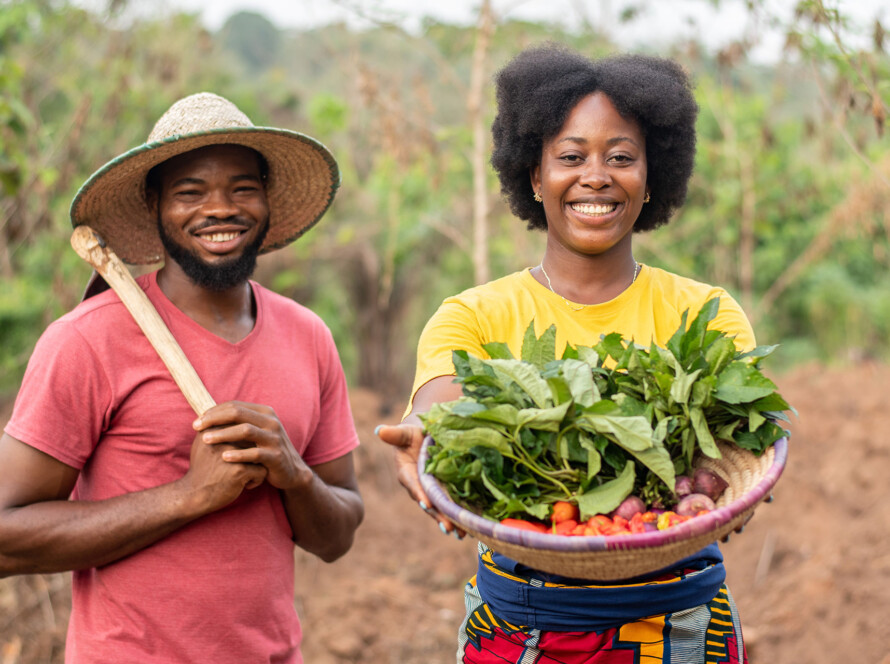
Every morning, there is a young girl out there, wakes up at 5am, not to prepare for school but to breastfeed her six-month-old baby before heading to the garden to dig. She dreams of returning to class, where she left off when pregnancy forced her out. But like 70 percent of teenage mothers in Uganda, that dream remains just that, a dream!
Five years ago, Uganda took a bold step. The government approved Revised Guidelines allowing pregnant girls and teenage mothers to return to school after childbirth. It was hailed as progressive, a policy that would rescue thousands of girls from lives defined by one mistake. However, today, the statistics tell a different distressing story, 7 in 10 teenage mothers never make it back to the classroom. The question is, what is holding them back or what are the challenges affecting their return?
Uganda records approximately 1,000 teenage pregnancies every single day, the highest in East Africa. Yes! That’s 1,000 futures interrupted on a daily. The 2022 Uganda Demographic and health survey (UDHS) revealed that 24% to 25% of girls aged 15-19 have begun childbearing, a statistic showing our daughters, sisters and nieces whose potential is being squandered.
The policy exists, the intention is noble, however, an intention without action is merely decoration.
Let’s be honest about what teenage mothers face. First there’s poverty. According to the 2022 UDHS report, 45 percent of families cite financial constraints as the primary reason their daughters don’t return to school. When you’re choosing between feeding a baby and paying school fees, the baby wins every time. 38 percent of teenage mothers are forced into informal labor, hawking tomatoes, washing clothes, working as housemaids just to survive. How can we expect them to return to school when they’re busy ensuring their children don’t starve?
Then there is our culture of shaming. We are quick to condemn but slow to support. Teenage mothers face stigma from families who see them as burdens, communities that whisper behind their backs and schools that treat them like “moral failures”. Some schools simply refuse to readmit them, despite the law. Administrators cite “bad influence ” or “moral standards” while conveniently ignoring their legal obligation because we have created an environment where a girl who makes one mistake is punished for life.
But perhaps most damaging is our failure to prevent these pregnancies in the first place. Uganda’s approach to comprehensive sexuality education remains half-hearted at best. We shy away from honest conversations about sex, contraception and consent because they make us uncomfortable. Meanwhile, our daughters navigate adolescence blindfolded, armed with whispers, misinformation due to unregulated internet use and myths instead of facts. We cannot keep locking the stable door after the horse has bolted and expect different results.
The irony is painful. Uganda prides itself on being a young nation with a demographic dividend waiting to be unlocked and yet we are systematically excluding a quarter of our girls from participating in that future. Every girl who drops out represents lost potential of a future entrepreneur or leader. When we fail these girls, we fail our nation.
So, what must be done? We need action not more policies gathering dust. Schools must establish daycare facilities and flexible learning hours. Government should work with targeted social enterprises in different communities to strengthen the financial capacity of these teenage mothers. We must enforce the re-entry policy strictly penalizing schools that refuse to comply and critically challenge cultural attitudes that prioritize marriage over education for young mothers. This is not about being soft on teenage pregnancy but being smart about national development, recognizing that a mistake at 15 should not determine a girl’s entire life but most importantly, about the kind of country we want to be, one that throws away its daughters or one that fights for them.
That young mother in your community deserves a second chance and so do thousands like her. The policy is already in place, now we must make it work. The question is, do we have the courage and capacity to do so?